Reading speed

What is this report about?

A calendar that says '1 July 2024' with an arrow pointing to a calendar that says '30 June 2025'.

This report talks about what we did from 1 July 2024 to 30 June 2025.

Complaints

A law document.

We follow a law called the Anti‑Discrimination Act 1998 (Tasmania).

We call it the Act.

A speech bubble that shows an unbalanced scale. Next to the speech bubble is an importance icon.

The Act talks about what people can make complaints about.

Complaints are an important part of our work.

A person with their arms crossed looking upset. Above them is a speech bubble that shows an unbalanced scale.

 261  people made a complaint to us.

A person with a prosthetic leg looking sad while 2 people stand away from them.

People can make a complaint about discrimination.

 117 people made a complaint about disability discrimination.

We also got lots of complaints about discrimination based on a person’s:

A person pointing to themself. Above them is a speech bubble that shows an unbalanced scale.

  • race

A thought bubble showing a person pointing to themself.

  • gender

A person with their arm raised and a birthday cake.

  • age.

A person looking down with their arms crossed looking upset. Above them is a speech bubble that shows an unbalanced scale.

People can make a complaint about sexual harassment.

A person looking upset while someone behind them touches their arm.

Sexual harassment is when someone:

  • makes you do sexual things you don’t want to do
  • does sexual things to you that you don’t want them to do
  • asks you to do sexual things you don’t want to do
  • says sexual things you don’t want to hear.

A speech bubble that shows a problem icon.

 14  people made a complaint about sexual harassment.

A person looking upset. Above them is someone with a speech bubble that shows symbols for rude words.

People can make a complaint about offensive conduct.

Offensive conduct is when someone says or does something that hurts your feelings.

A person pointing to themself. Above them is a change icon with a cross.

They do these things because of something you can’t change about yourself.

A person smiling in a mean way. Next to them is a speech bubble that shows symbols for rude words.

For example, someone might make rude jokes about your:

  • race
  • age
  • disability
  • sexuality.

A speech bubble with a problem icon in it.

People told us about offensive conduct
 286  times.

A person frowning with their arms crossed. Above them is a speech bubble that shows an unbalanced scale.

People can make a complaint about inciting hatred.

Inciting hatred is when someone shows how much they hate someone in a public area because of someone’s:

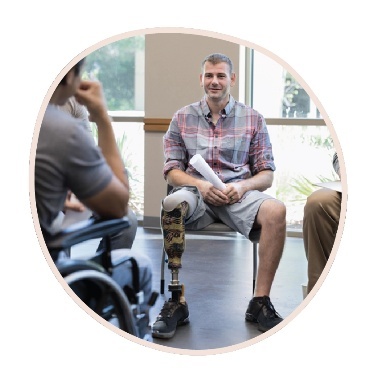
A person with disability in a meeting with other people.

  • disability

A thougth bubble showing a person pointing to themself.

  • gender.

Someone might also show how much they hate someone in a public area because of someone’s:

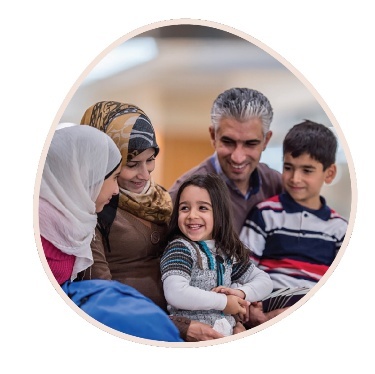
A family smiling at each other. The women are wearing head dresses.

  • race

A person practising their religion.

  • religion

A love heart between 2 people.

  • sexuality.

A person with mean eyes raising their arms and shouting. There is a banner next to them with symbols for rude words. A person in front of them looks sad.

Inciting hatred can be someone who:

  • shouts mean things
  • puts up mean notices or signs
  • makes fun of someone else.

A speech bubble with a problem icon in it.

People told us about inciting hatred  92  times.

Most of these complaints were about a person’s:

A person supporting someone.

  • race

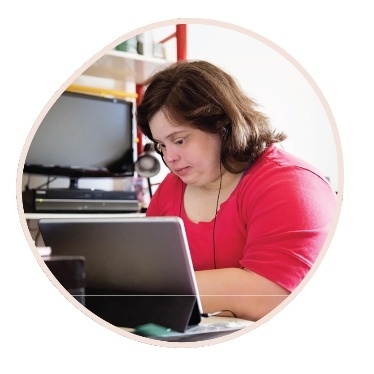
A person with disability using a laptop.

  • disability.

A person with a speech bubble that shows an unbalanced scale.

People can make a complaint about victimisation.

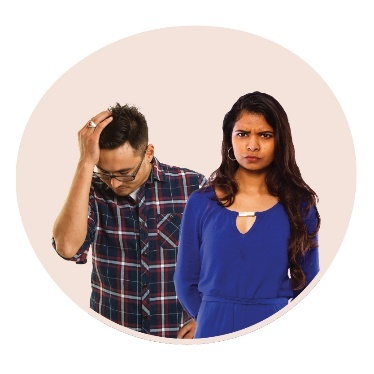
A person with their hand on their head looking down, and another person looking cross.

Victimisation is when someone treats you badly because you:

  • made a complaint
  • helped someone else make a complaint about discrimination.

A speech bubble with a problem icon in it.

People told us about victimisation  132  times.

A shop, a person with a name tag and an office building.

People told us discrimination happens the most in places they go:

  • to buy things
  • to get services
  • for work.

Dealing with complaints

A document with an unbalanced scale on it. Next to the document is a magnifying glass.

We looked at all the complaints.

A law document with a tick.

We worked out  114  complaints matched the Act.

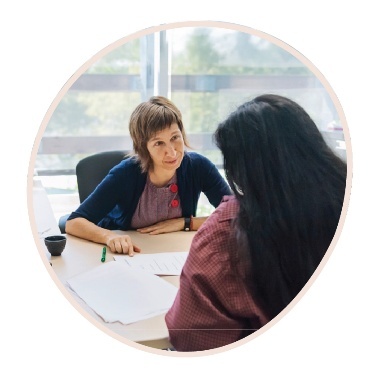
A person having a meeting with someone.

We had meetings with:

  • the person who made the complaint
  • the person or organisation they made a complaint about.

A speech bubble that shows an unbalanced scale next to a check box with a tick.

This helped deal with  69  complaints.

A law document with a cross on it.

 74  complaints didn’t match what the Act covers.

A speech bubble that shows an unbalanced scale with a cross.

This meant we couldn’t help those people deal with their complaint.

A person writing on a document next to a gavel.

 41  complaints were sent to the Tasmanian Civil and Administrative Tribunal.

We call it the Tribunal.

A person using a microphone in a hearing.

The Tribunal is like a court.

The Tribunal:

  • holds hearings formal meetings
  • makes decisions about complaints.

A person reading and writing on a stack of documents.

We can send your complaint to the Tribunal if we think the Tribunal should look at it.

A person making a phone call. Above them is a speech bubble.

We will tell you if we send your complaint to the Tribunal.

Talking to us

2 people next to each other and above them is a tick.

We want to do our best to make sure you can talk to us.

You can talk to us in different ways, such as:

A person meeting someone who is behind a desk. Above their head is a speech bubble.

  • in person

A smart phone with a call icon on it.

  • on the phone

A computer screen showing a chat bubble.

  • on our website.

You can also:

A mail icon.

  • send us a letter

A smart phone showing a chat conversation.

  • send us a text.

A document with an arrow pointing down.

You can find our contact details in the Contact us section.

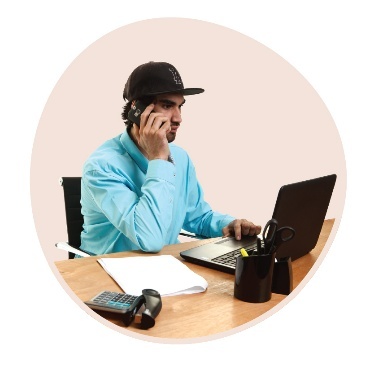
A person making a phone call as they use a laptop.

 716  people contacted us for advice.

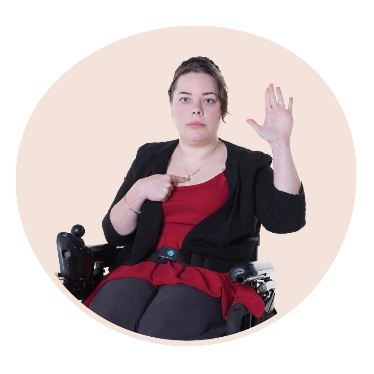
A person with disability pointing to themself and raising their other hand.

 257  people told us about their experience of discrimination based on their disability.

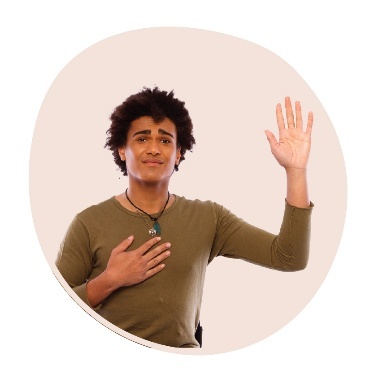
A person pointing to themself and raising their other hand.

 92  people told us about their experience of discrimination based on their race.

Our Report it! form

A document with a problem icon on it and spaces to fill in information.

We have a form you can use.

It’s called Report it!

You can use Report it! to tell us about your experiences with discrimination.

A person pointing to themself with a speech bubble. There is a cross next to them.

You don’t have to tell us your name.

A person raising their hand. Above them is a speech bubble that shows a problem icon.

You can tell us if you:

  • saw discrimination
  • experienced discrimination.

A computer mouse pointer clicking.

You can use the Report it! form online.

www.antidiscrimination.tas.gov.au/
resources/forms/report-it

Or you can:

A person writing on a form.

  • print the Report it! form and fill it out

A form with a problem icon on it poking out of an envelope.

  • return the form to the Commissioner.

A stack of forms with a problem icon on it already filled in.

 90  people filled out the Report it! form.

A person pointing to themself. Above them is a speech bubble.

 42 people told us about their experience of discrimination based on race.

A form with a problem icon on it and space to fill in information. Next to the form is a speech bubble that shows an unbalanced scale.

 5  people made a complaint after they used the Report it! form.

Training and learning

During the last year, lots of people wanted to learn about:

A law document.

  • laws about discrimination

A balanced scale next to a person in a worker uniform.

  • the rights of workers.

2 people shaking hands and above them is a balanced scale.

Rights are rules about how everyone should be treated fairly.

A person teaching a class.

We held  183  training sessions in places people work.

A person presenting at a meeting.

We held  75  information sessions with the community.

Connecting with the community

A person standing and leaning in to help 2 people sitting at a table with their work.

We visited many community groups last year.

A law document with a balanced scale on it.

We support the idea to make a Human Rights Act for Tasmania.

A group of people working together.

We have talked to people and groups in the community about how a Human Rights Act can protect people.

Exemptions

A building next to a law document with a cross.

The Commissioner can decide if organisations don’t need to follow parts of the Act.

But they must have the right reasons.

We call this an exemption.

A law document with a tick on it.

An exemption makes discrimination lawful in some places.

2 people looking at a document together. 1 of them has a speech bubble.

You can ask us about exemptions.

A calendar that says '3 years' with an arrow pointing backwards.

An exemption lasts no more than 3 years.

A person raising their hand and above them is a speech bubble that shows a question mark.

 8  people asked us for an exemption.

A person behind a podium with a microphone. Above them is a speech bubble that shows a cross.

The Commissioner said no to  6  exemptions.

Policy work

A person reading a document.

Each year we look at policies based on the Act.

A document that shows a check box with a tick. Next to the document is a question mark.

We look at how policies connect with discrimination.

A tick and a thumbs up with an arrow pointing up.

We look at what:

  • works well
  • can be better.